Every June, Fort Lauderdale shifts. The afternoon storms roll in off the Atlantic, the air gets heavier, and by the end of the month, the city is averaging over six inches of rain in a single month. Residents know this is coming. They adjust their weekend plans, check the gutters, and make sure the patio furniture is secured. What most of them don’t do is prepare for what follows the rain because the connection between a Fort Lauderdale summer downpour and a roach in the kitchen two weeks later is not obvious until you’ve experienced it enough times to recognize the pattern.
The rainy season in South Florida does not just change the weather. It sets off a predictable sequence of pest events that plays out the same way, on roughly the same timeline, every single year. Understanding that sequence is what separates homeowners who spend all summer reacting to problems from the ones who rarely have a problem at all.
How Rain Triggers Pest Activity in Fort Lauderdale
When heavy rain saturates the ground, it doesn’t just fill puddles. It floods the underground systems that pests depend on soil nesting sites for ants and termites, storm drain corridors used by American roaches, and the dense grass root zones where chinch bugs and fire ants build their colonies. Displaced pests don’t disappear. They move, and the direction they move is almost always toward the closest dry, stable structure which is your home.
This displacement pattern is the core reason why pest calls to pest control services in Fort Lauderdale spike in the weeks following the first sustained rains of June and July, not necessarily during the rain itself. By the time you see activity inside, the displacement event already happened days ago.
The Rainy Season Pest Timeline Homeowners Miss
The rainy season doesn’t deliver all its pest pressure at once. It arrives in waves, and each wave follows a specific pattern tied to how different species respond to moisture and flooding.
The first 72 hours after a heavy rain typically brings the most visible response. Fire ant mounds that were built in low-lying yard areas flood out and relocate, often toward higher ground near the foundation or along sidewalk edges. Mosquitoes don’t need long to respond either — standing water that collects in plant saucers, clogged gutters, and low spots in the lawn starts producing new populations within days.
The second wave, roughly one to two weeks into sustained wet weather, is when American cockroaches become a problem indoors. These are the large, reddish-brown roaches that enter from below — emerging from flooded sewer systems and storm drains through plumbing gaps, garage floor gaps, and any low-clearance opening at ground level. This is not a hygiene issue. It is a drainage event.
The third wave — and the one homeowners are least prepared for — comes from rodents. Roof rats and Norway rats that nest in the ground or in vegetation near water sources start moving toward elevated, dry structures as the wet season deepens. Attic entries, soffit gaps, and roofline penetrations become points of entry that were never a problem during drier months.
What Pest Control Services Near You Should Do Before June
Most people search for pest control services near me after they’ve already seen something — a roach at the kitchen sink, fire ants spreading toward the back door, scratching sounds above the ceiling. The rainy season pattern makes this reactive approach predictably expensive. The same problems return every year at roughly the same time because the underlying conditions that cause them are never addressed.
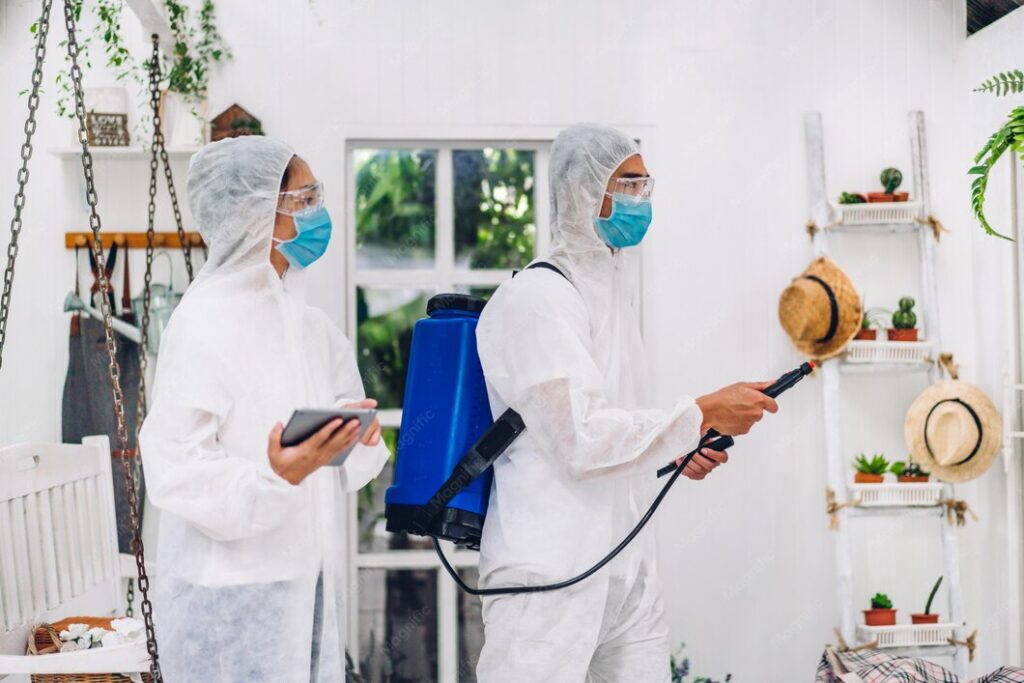
Pest control services in Fort Lauderdale that are scheduled around the rainy season calendar rather than triggered by visible pest sightings look different in a few specific ways. A pre-season inspection in April or May checks drainage conditions around the foundation, identifies low-lying areas that hold water after rain, and treats outdoor colony sites before they become flooded and displaced. This approach stops the displacement event from happening rather than treating the aftermath once pests are already inside.
Standing Water Is a Pest Problem You Don’t Know You Have
Here is something worth thinking about before the next storm rolls in. Every container, depression, or surface on your property that holds water after rainfall is actively functioning as a pest breeding and shelter site. That includes the saucer under a potted plant on the patio, the divot in the lawn where the sprinkler line runs, the bottom of the recycling bin kept near the garage, and the stretch of compacted soil along the south-facing fence line where drainage has always been slow.
None of these look like pest problems. They look like minor yard maintenance items. But during Fort Lauderdale’s rainy season, each of them is generating mosquito populations, creating wet conditions that subterranean termites use to travel along the soil surface, and maintaining the moisture levels that attract German roaches from the plumbing system. Addressing these small drainage conditions as part of a termite treatment or pest management plan is one of the most practical things a Fort Lauderdale homeowner can do before the season starts.
Why Rodents Show Up Late in Fort Lauderdale’s Wet Season
Of all the rainy season pest patterns, the rodent surge tends to catch people most off guard because it doesn’t arrive with the first rains. Roof rats and Norway rats are remarkably good at tolerating early wet weather, adjusting nest locations before they flood and waiting out the initial rain events. It’s the sustained, multi-week saturation of the ground that eventually pushes them indoors — usually between August and October when the cumulative rainfall of the season has made outdoor nesting consistently uncomfortable.
By that point in the year, most homeowners have already dealt with the ant and roach pressure of early summer and assumed the pest season was winding down. The scratching that starts in the attic in September often feels like a new problem. It isn’t. It’s the third wave of a sequence that started in June.
What to Ask Pest Control Services Near You in Fort Lauderdale
When searching for pest control services near me in Fort Lauderdale, the question worth asking any provider is whether their treatment approach accounts for the rainy season timeline or simply responds to what you report seeing. A company that schedules quarterly calendar treatments without reference to where Fort Lauderdale is in its seasonal cycle is not working with the information that actually determines when and where pest activity is going to occur.
Orange Pest Control works with Fort Lauderdale homeowners across Victoria Park, Rio Vista, Flagler Village, Coral Ridge, and surrounding neighborhoods, building service schedules that account for wet season displacement patterns, pre-season inspection timing, and the specific drainage and landscaping conditions on each property. The goal is to be ahead of the seasonal wave rather than responding after each one has already hit.
If the rainy season has already started and you’re seeing early signs of activity, do not wait for it to resolve on its own. Contact Orange Pest Control today to schedule an inspection and get a clear picture of what this season’s pest pressure looks like on your specific property.
 View Pest Control Services in Fort Lauderdale Schedule a Free Inspection
FREQUENTLY aSKED qUESTIONS
Pest activity tied to rainfall runs in waves. Fire ants and mosquitoes surge within the first week of heavy rain. American roaches emerge indoors one to two weeks after sustained wet weather. Rodents typically move toward structures in August through October when ground saturation has been sustained for several weeks.
American roaches, known locally as palmetto bugs, emerge from flooded sewer systems and storm drains during wet season. They enter through plumbing gaps, garage floor openings, and low ground-level clearances. Their presence has nothing to do with the cleanliness of a home it is a drainage displacement event that qualified pest control services in Fort Lauderdale address at the entry point level.
Look for a provider that performs an outdoor inspection not just an indoor walkthrough and specifically assesses drainage conditions, standing water sources, and perimeter entry points. A pre-season inspection in April or May gives you the most options for preventing displacement-driven infestations before they start.
Store-bought sprays address visible pests on surfaces but do not reach nesting sites, treat entry points, or account for the displacement sequences that drive rainy season activity. They typically produce short-term results that require repeated application each time a new displacement wave occurs.
Yes. Orange Pest Control serves Fort Lauderdale homeowners with inspection and treatment scheduling that includes urgent response for active infestations. Contact the team directly to check availability for same-day or next-day service during peak wet season months.